Why AI Headshots Still Don’t Fully Replace Real Photography
AI headshots have gotten dramatically better. Which is honestly part of the reason the conversation around them has become so weird.
In 2026, AI-generated headshots are everywhere.
LinkedIn profiles. Startup websites. Conference bios. Dating apps. Probably at least three people in your inbox right now who technically do not look exactly like the person in their profile photo anymore.
The technology has improved incredibly fast. Many AI headshots now look polished, believable, and visually impressive at first glance.
And honestly, for some people, they may be perfectly adequate.
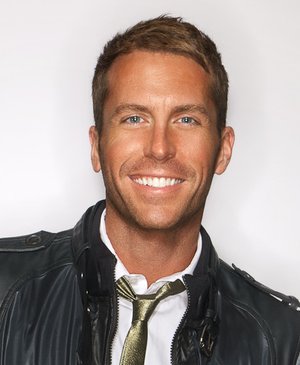
But despite the rise of AI-generated imagery, real professional photography still offers something much harder to automate: human specificity.
If you are comparing options for your professional branding, you may also want to explore my Los Angeles headshots, LinkedIn headshots, and branding photography sessions.
AI Headshots Are Optimized Versions of You
Most AI headshot systems work by generating idealized interpretations based on uploaded selfies or source images.
That often produces:
Common AI Results
- Smoother skin
- Symmetrical features
- Perfect lighting
- Hyper-clean backgrounds
- Stylized corporate polish
Which Can Feel
- Impressive
- Efficient
- Generic
- Slightly artificial
- Emotionally flattened
The images often resemble a polished approximation of a person rather than the person themselves.
Professional Photography Captures Specificity
Real photography is collaborative.
Expression, posture, eye connection, personality, movement, mood, styling, and subtle emotional cues all develop dynamically during an actual session.
That interaction creates something difficult for AI systems to fully replicate:
Human Nuance
- Authentic expression
- Micro-emotion
- Natural asymmetry
- Confidence shifts
- Personality
Contextual Presence
- Energy
- Intentional direction
- Industry-specific branding
- Visual storytelling
- Trustworthiness
Strong photography is rarely just about appearance. It is about recognition and emotional credibility.
Trust Matters More Than Ever
Ironically, as AI-generated imagery becomes more common, authenticity may become increasingly valuable professionally.
People are becoming more visually skeptical online.
Whether consciously or subconsciously, audiences increasingly respond to images that feel believable, human, and emotionally grounded rather than hyper-perfect.
Especially in:
Trust-Driven Industries
- Executive leadership
- Healthcare
- Law
- Consulting
- Coaching
- Public-facing business
Authenticity Helps Signal
- Credibility
- Transparency
- Professional confidence
- Human connection
- Real-world presence
AI Headshots Also Age Quickly
One unexpected issue with AI-generated professional photos is that they often follow highly recognizable visual trends.
As more people use the same generation styles, lighting patterns, retouching aesthetics, and prompts, many AI headshots begin looking strangely similar.
A lot of them already share:
Common AI Aesthetics
- Overly perfect skin
- Artificial depth of field
- Hyper-clean gradients
- Corporate tech-startup energy
- Emotionally neutral smiling
Which Can Feel
- Interchangeable
- Template-driven
- Overprocessed
- Less memorable
- Less personal
AI Will Probably Become Part of Photography — Not Replace It Entirely
AI tools will absolutely continue influencing photography workflows, editing, retouching, image generation, and branding strategy.
This is not really a story about technology replacing photography completely.
It is more likely a story about audiences becoming increasingly sensitive to what feels authentic versus artificially optimized.
And for professional branding, authenticity still matters enormously.
Frequently Asked Questions
Are AI headshots good enough for LinkedIn?
For some people, AI headshots may work adequately for basic online profiles. However, many professionals still prefer authentic photography for stronger trust, branding, and credibility.
What is the difference between AI headshots and professional photography?
Professional photography captures real expression, personality, collaboration, and human nuance, while AI headshots generate idealized visual approximations.
Can recruiters tell if a headshot is AI-generated?
Sometimes yes. As AI imagery becomes more common, many viewers are becoming increasingly sensitive to artificial visual patterns and overprocessed aesthetics.
Are real headshots still worth it in 2026?
Yes. Authentic, professional photography continues to provide trust, specificity, branding consistency, and human connection that many AI-generated images still struggle to replicate fully.
Want professional photos that actually feel like you?
Book a Los Angeles headshot or branding session designed to create authentic, modern images with real expression, strong lighting, and professional identity that feels human — not algorithmically generated.
View Pricing · Schedule a Session · Explore Headshots Los Angeles