Medical residency & ERAS headshots · Los Angeles
Medical Residency Headshots Los Angeles
ERAS application portraits.
Look ready. Stay human.
Application-ready medical residency photos with clean light, calm direction, natural retouching, and a correctly prepared ERAS upload file—without making you look like a hospital directory from 1997.

The actual assignment
Competent, approachable, and unmistakably you.
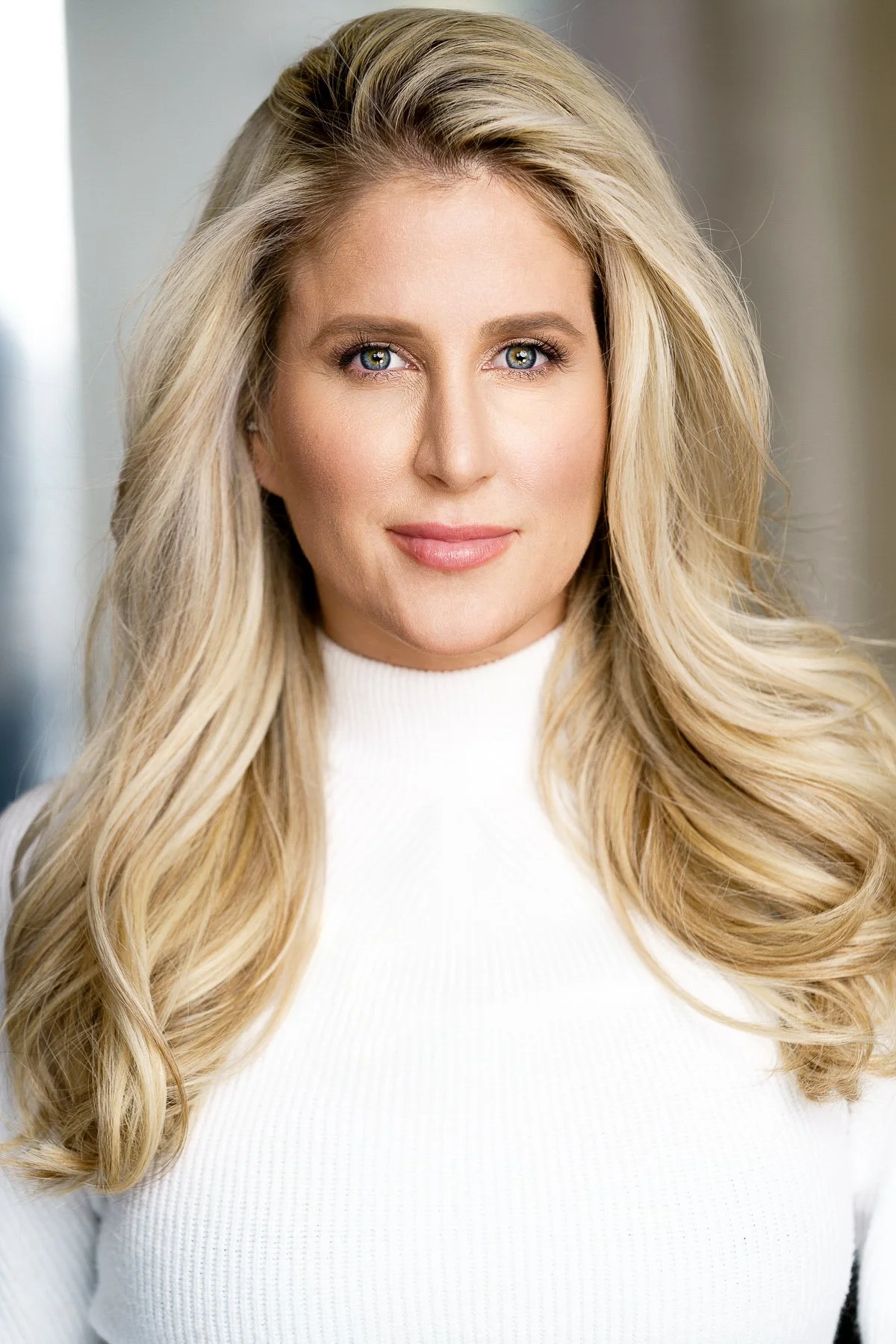
Your residency photo is not an actor headshot, a fashion portrait, or a passport picture. It is a clean professional introduction designed to look current, credible, and easy to recognize.
“The goal is not to look impressive. It is to look like the capable person they will meet.”
Bradford Rogne · photographer & makeup artist
The right photo is polished without becoming performative.
Programs commonly use the application photo to help identify applicants during the interview process. That makes recognizability important: current hair, believable skin texture, a centered face, and an expression that feels engaged rather than manufactured.
Your session is directed around that balance. We create a clean, professional image for the application and can also make a second crop useful for LinkedIn, hospital bios, research profiles, conference programs, and future professional use.
- 01Look like yourself now—not the version from the first week of medical school.
- 02Choose authority with warmth; avoid both stiffness and over-casual styling.
- 03Keep the face readable at a small size with clean lighting and simple composition.
- 04Retouch temporary distractions while preserving real features and skin texture.
Current official guidance
ERAS photo requirements, translated into normal English.
For the 2027 MyERAS season, AAMC guidance specifies a JPG/JPEG or PNG file, a maximum file size of 150 KB, and a face centered in the photograph. Individual programs may set their own requirements.
MyERAS accepts JPG, JPEG, or PNG photo files.
The upload-ready copy is compressed carefully to stay within the current limit.
Your face remains clear and recognizable in the application display.
Always review requirements from each program and your designated dean's office.
AAMC does not publish a universal rule requiring a white background, a suit, a lab coat, a tie, or a smile. Those are style decisions—not general MyERAS file requirements. The photo is listed as optional within ERAS overall, while individual programs may have their own expectations. Check every program that matters to you.
U.S. medical graduates upload their photo in MyERAS. For international medical graduates, ECFMG handles the photo upload process. Fellowship applicants should follow EFDO instructions. The session still supplies the correctly prepared image file; the submission route depends on your applicant type.
What you receive
One session. Files with actual jobs.
You should not have to understand pixels, compression, circular crops, or why an application portal is rejecting a perfectly good photograph. Your files are prepared for their intended use.
Application upload file
Centered, properly compressed, and prepared to the current published file guidance.
Full-resolution photograph
A high-quality master for future professional, print, and profile uses.
Professional web crop
A practical crop for LinkedIn, research profiles, conference bios, and hospital pages.
Natural finishing
Color, exposure, and light cleanup designed to preserve real skin and identity.
Preparation timeline
Good preparation is mostly avoiding last-minute chaos.
You do not need a transformation. You need to arrive rested, recognizable, and with enough wardrobe choice to solve the picture in front of the camera.
Confirm the use.
Review your programs' instructions, schedule grooming conservatively, and avoid trying a dramatically new haircut, facial treatment, or skincare product.
Build the wardrobe edit.
Choose two or three clean, pressed options. Check fit through the collar and shoulders. Remove visible lint, wrinkles, tags, and pet hair.
Sleep and hydrate.
Pack everything, including glasses you may wear, a lint roller, simple jewelry, and any makeup or grooming products you normally rely on.
Arrive like yourself.
Eat something, allow time for traffic, and arrive with clean, dry hair unless your booked hair-and-makeup preparation says otherwise.
Do's & don'ts
Professional does not require becoming visually anonymous.
The best decisions keep attention on your face, fit the culture of medicine, and still feel believable for your age, specialty, and personality.
Do
✓- ✓Bring more than one polished wardrobe option.
- ✓Choose clean necklines, solid colors, subtle textures, and layers that fit well.
- ✓Wear glasses if they are part of how colleagues and patients normally see you.
- ✓Keep hair, facial hair, makeup, nails, and jewelry intentional but recognizable.
- ✓Tell Bradford your specialty, application stage, and how else you may use the image.
- ✓Ask for a range of expressions from warm and open to calm and assured.
Don't
×- ×Do not crop a wedding, vacation, badge, or phone photograph.
- ×Avoid neon colors, large logos, distracting patterns, and overly shiny fabrics.
- ×Do not schedule an aggressive facial, peel, haircut, or experimental grooming immediately before.
- ×Do not use heavy contouring or retouching that changes recognizable features.
- ×Do not assume a white coat or scrubs are automatically the strongest choice.
- ×Do not wait until the application portal is open and your deadline is tomorrow.
Wardrobe & grooming
Dress for the room—not for a costume department.
A jacket, blouse, button-down, knit, or clean structured layer can all work. The goal is to support your face and professional context. Bring choices rather than betting everything on one outfit under unfamiliar lighting.
Reliable starting points—not mandatory colors
Fit beats formality.
A clean collar, flattering neckline, and shoulders that fit correctly usually matter more than whether an item is technically “professional.”
Optional—not automatic.
Bring one if it is authentic and useful for another professional portrait. Your primary application image can remain a straightforward professional headshot.
Recognizable on interview day.
Polish is welcome; reinvention is not required. Men's camera grooming is included, and women's hair and makeup is available.
Keep the real identifiers.
Wear what is normally part of your appearance. We manage glare and edit choices that begin competing with your face.
The session
Directed from arrival to upload.
You are not expected to know how to pose. Bradford directs posture, expression, chin position, shoulders, eye contact, clothing, hair, and small adjustments throughout the session.
Review the brief.
We confirm residency use, specialty context, additional platforms, wardrobe, and the level of formality.
Build the look.
Background, lighting, grooming, clothing, and framing are selected to keep the image clean and credible.
Direct every frame.
Posture and expression are coached continuously so nothing depends on knowing your “good side.”
Review together.
Images can be reviewed during the session so we can refine the result before you leave.
Deliver for use.
You receive a private gallery plus application-ready and professional-use files.
Published pricing
A residency photo should not require a diagnostic workup to understand the price.
The standard studio headshot pricing applies. One focused professional look is usually enough for the application; add another look if you also want broader LinkedIn, bio, or white-coat options.
Studio session with complete direction, private gallery, light finishing, and application-ready delivery.
Useful additions
- Each additional look / outfit+$100
- Men's camera groomingIncluded
- Light finishing on delivered imagesIncluded
- Women's hair & makeup$175
Common myths
Things the internet repeats with great confidence.
Programs differ. Medical schools differ. Applicant offices differ. Separate official file requirements from stylistic folklore.
“It has to be a white background.”
Current general MyERAS photo guidance does not require one universal background color. Clean, simple, and non-distracting is the useful standard unless your program says otherwise.
“Everyone should wear a white coat.”
A white coat may be useful for a physician bio, but it is not a universal ERAS file requirement. Bring it as an option if it genuinely serves another use.
“More retouching looks more professional.”
Over-retouching can reduce trust and recognizability. Temporary distractions can be softened while real texture, features, and identity remain.
“A passport photo is good enough.”
It may satisfy the idea of a centered face, but it rarely provides flattering light, a useful expression, or the professional context of a directed portrait.
“Serious means no smile.”
There is no universal expression requirement. A restrained, genuine smile often reads as confident and approachable. We photograph options.
“I only need the tiny file.”
You will likely need a professional photograph again—for LinkedIn, research, conferences, hospital bios, fellowships, or speaking. Keep a high-resolution master.
Asked & answered
Medical residency headshot questions.
Practical answers about ERAS files, timing, wardrobe, white coats, glasses, makeup, retouching, international applicants, and how the session works.
What are the current ERAS photo requirements?+
For the 2027 MyERAS season, AAMC guidance states that the photo should be a JPG/JPEG or PNG, no larger than 150 KB, with the face centered. Individual programs may have their own requirements, so applicants should verify the instructions for every program and their designated dean's office.
Is a residency application photo required?+
AAMC lists the photo as an optional supporting document within ERAS overall, but individual programs may set their own requirements or expectations. Research each program before assigning or submitting materials.
When should I schedule my residency headshot?+
Ideally, schedule several weeks before you plan to submit applications. That leaves room for selection, any optional retouching, file preparation, and unexpected changes without creating deadline pressure.
What should I wear for an ERAS headshot?+
Bring two or three professional options with clean necklines, good shoulder fit, restrained patterns, and colors that support your face. Jackets, blouses, button-downs, knits, and simple structured layers can all work. Avoid large logos, neon colors, excessive shine, and clothing that feels unlike you.
Should I wear a white coat or scrubs?+
Neither is a universal ERAS requirement. A white coat can be photographed as an additional professional look when useful for a physician bio or related profile, but a clean professional outfit is usually the more flexible primary application image.
Should I smile in my medical residency photo?+
There is no universal AAMC smile requirement. A genuine, controlled smile often communicates warmth and confidence, while a more neutral expression can feel calm and assured. The session includes expression options so you can choose what fits you.
Can I wear glasses?+
Yes. If glasses are part of your normal appearance, wearing them supports recognizability. Lighting and angle are adjusted to manage glare, and you can also bring an alternate pair if one has heavy reflections or strongly tinted lenses.
How much retouching is appropriate?+
Keep it natural. Temporary blemishes, stray hairs, lint, and minor distractions can be reduced, while permanent features, face shape, skin texture, and the characteristics that make you recognizable should remain. The goal is polish, not a different person.
How quickly will I receive my photographs?+
Private galleries are typically delivered within 24–48 hours for studio headshot sessions. If you have a hard application deadline, mention it before booking so timing can be confirmed.
Do international medical graduates upload their own photo?+
According to current AAMC guidance, ECFMG is responsible for uploading the photo for international medical graduates. IMG applicants should follow current ECFMG instructions. You still receive a prepared image file from the session.
Can the same photo work for fellowship applications?+
The same professional portrait may be useful, but fellowship applicants should follow current EFDO and program-specific instructions. We can prepare alternate crops or files when a destination has different needs.
Can I also use the image for LinkedIn and hospital bios?+
Yes. In addition to the application-ready file, you receive a high-resolution master and can use a professional crop for LinkedIn, research profiles, conference programs, speaking biographies, hospital pages, and future career materials.
Where is the studio?+
Sessions take place by appointment at Bradford Rogne's Downtown Los Angeles studio, convenient to the Arts District and central Los Angeles. Visit the contact page for current studio details.
What if I hate having my picture taken?+
That is normal and requires no special talent to overcome. Bradford directs posture, angles, chin position, expression, eye contact, clothing, and small adjustments throughout the session. You do not need to arrive knowing how to pose.
One less application variable
Make the photo the easy part.
Book a directed Los Angeles residency headshot session and leave with professional images built for ERAS, interviews, profiles, and wherever medicine takes you next.