The Executive Portrait Brief: Plan for the Company Bio, the Board Announcement, and the Next Press Request
The request arrives with a deadline: “Can you send a current portrait?” The photograph you have is either too tightly cropped, several years old, or borrowed from a company you no longer work for.
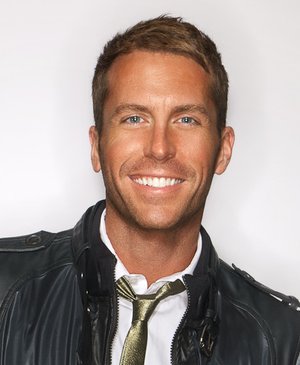
A useful executive portrait session starts by listing the places the photographs need to work. That brief helps you create a coherent set instead of several nearly identical photographs—or one image asked to do every job.
Start with the audience and the actual layouts.
A company leadership page, a board appointment announcement, a publication, and a conference program may need different crops. Collect the specifications or examples from the people who will use the files.
For a company page, check the background, face size, headroom, and neighboring portraits. For press or speaking, ask whether the organizer needs a vertical, horizontal, or square image and whether space beside the subject would be useful. Do not assume every outlet can use the same tight headshot.
Separate the firm-standard portrait from the individual portrait.
A leadership team may need a consistent image that follows company guidelines. The same person might also need a portrait with more individual character for an interview or founder profile.
Those are compatible goals, but they should be planned as different uses. Identify what must match the team and where there is creative flexibility. The point is not to make every photograph more formal; it is to make each photograph appropriate.
Make a short image-use list.
Company leadership or partner bio: page link, approved reference portraits, crop and background requirements.
Board or appointment announcement: publisher’s specifications, delivery deadline, and the person approving the final photograph.
Press, interviews, and speaking: requested orientations, whether a wider portrait is useful, and any restrictions supplied by the organizer.
LinkedIn and professional profiles: a clear crop that remains recognizable at a small size.
A broader founder or expert website: page layouts and the additional image types needed beyond a headshot.
Plan wardrobe around the professional context.
Bring a primary outfit that fits your actual working world, plus a considered alternative if the agreed session includes another look. A different level of formality can be useful; several outfits that communicate the same thing may not be.
Check how jackets and shirts fit while sitting as well as standing. If the firm has guidelines, share them before the session. Bradford directs posture and expression during the photography, so there is no need to arrive with a rehearsed “executive face.”
Choose studio or office for a reason.
A studio gives an individual a controlled setting away from the working day. An office session may be more practical for several leaders or a brief that needs the workplace in the photograph. The choice depends on the people, reference style, setting, and logistics.
For one person, start with executive headshots in Los Angeles. For several leaders, see team headshots and on-location photography.
Agree on approvals and delivery before the calendar fills up.
Identify the person who will choose the photographs, the person responsible for brand approval, and the deadline the finished files must meet. If those are different people, make the sequence clear. Confirm the agreed selection, finishing, and delivery process rather than assuming the session date is the delivery date.
If confidentiality, access restrictions, or image-use permissions matter to the assignment, raise them before booking so the scope can be discussed. Do not put sensitive business information into a public photo brief.
A brief you can send in one email
Who is being photographed
Intended image uses and layout examples
Company visual guidelines and references
Preferred setting: studio, office, or discuss
Number of people and scheduling constraints
Wardrobe direction and requested variations
Required orientations, crops, and file specifications
Selection and brand-approval contacts
Finished-image deadline
Access, confidentiality, or usage questions
Budget range and quote requirements
Book the scope, not just a time slot.
If you need one current portrait, a headshot session may be enough. If the brief calls for a wider press or personal-brand library, discuss that broader assignment before booking. More images are only useful when they have different jobs.
View the executive portrait gallery, then send the brief to Bradford. The studio is at 1308 Factory Place, Suite 512, in Downtown Los Angeles, by appointment.