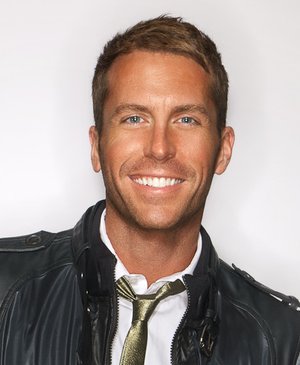
Is Your Law Firm Photo-Ready for 2027?
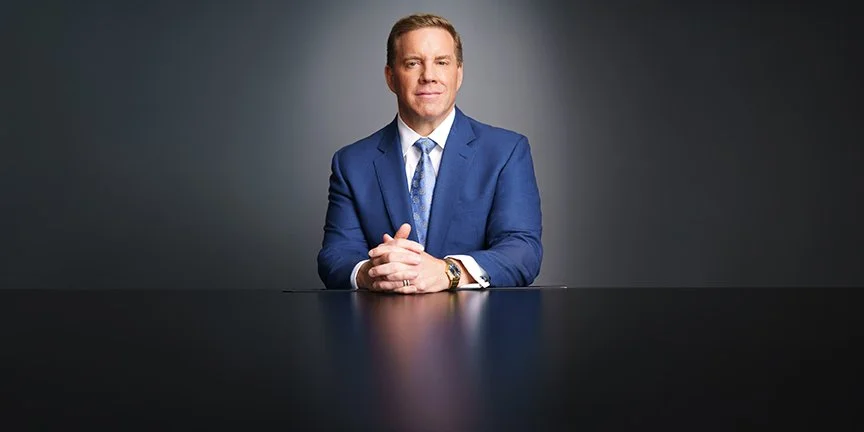
LEGAL MARKETING · 2027 PLANNING · LOS ANGELES
A practical fall checklist for attorney bios, rankings announcements, recruiting, press and partner promotions.
September is when the legal marketing calendar quietly gets loud.
Awards are announced. Directory submissions move forward. New associates and lateral hires arrive. Recruiting continues. Firms begin preparing year-end news, January promotions, speaking appearances and the inevitable website update that was supposed to happen six months ago.
Then someone opens the attorney directory and discovers five different backgrounds, four crop styles, two former employees and one partner whose photograph appears to predate LinkedIn.
This is a good time to fix that.
Why fall 2026 is a useful planning window
The 2027 edition of Best Lawyers was publicly released on August 20, giving recognized attorneys and firms new material for websites, announcements, LinkedIn and public relations.
Legal 500’s U.S. 2027 editorial submissions are due November 13, with firm interviews scheduled from December 2026 through February 2027. Meanwhile, NALP’s current research shows that U.S. firms have already been recruiting for 2027 summer programs.
To be clear: these rankings and recruiting programs do not require a new headshot, and photography has no bearing on whether an attorney or firm is selected.
They do, however, create a lot of public-facing activity. Attorney bios are reviewed. Recognition announcements are prepared. Careers pages receive more attention. New hires need to be added. Partners are quoted, interviewed and invited to speak.
That is when a neglected photo library becomes a very visible problem.
Start with an attorney-photo audit
1. Attorney and partner bio pages
Check whether every practicing attorney has a current photograph and accurate title.
Look for inconsistent backgrounds, lighting, image dimensions and crops. A firm does not need to make everyone look identical, but the portraits should clearly belong to the same organization.
Remove or archive former personnel promptly. Confirm that incoming attorneys and pending promotions are published only when the firm has approved the timing.
2. Awards and rankings announcements
When an attorney receives recognition, the firm may need an image for its website, LinkedIn, an email announcement, a press release or an outside publication.
Do not assume the small photograph on the biography page can also become a high-resolution press portrait. Maintain a full-resolution master and practical web and social-media crops.
Awards should always be described accurately. A photograph placed beside a badge or announcement should not imply recognition the attorney or firm did not receive.
3. Recruiting and careers pages
Candidates look at the people, not only the practice-area descriptions.
A visually coherent attorney directory can make a firm feel organized and intentional. A page assembled from years of unrelated photographs can suggest the opposite—even when every individual portrait is technically good.
Recruiting also requires a plan for summer associates, incoming associates and lateral hires. Decide in advance which roles receive public portraits and how new photographs will be matched to the existing library.
4. LinkedIn, speaking and press
An attorney photograph may be requested for:
LinkedIn
Conference and CLE speaker pages
Legal-directory profiles
Podcasts and webinars
Press interviews
Pitch decks and proposals
Bar-association programs
Firm announcements
One carefully planned portrait session can create files for several of these uses. That does not necessarily mean photographing five completely different looks. It means composing and delivering the portrait so that it can survive square, vertical and small-format crops without removing half an ear.
5. Lateral hires and partner promotions
A new attorney should not remain a gray silhouette while everyone waits for the next firm-wide photo day.
Establish a repeatable matching process: background, lighting, crop, wardrobe guidance, retouching standard, file naming and approval. Then a new hire can be photographed in the Downtown Los Angeles studio or through an approved local solution without rebuilding the visual system every time.
Decide what the photographs need to communicate
Legal portraits should not all look the same because legal practices do not all communicate the same thing.
A trial attorney may want more presence and directness. A family-law or estate-planning attorney may prioritize warmth and approachability. A managing partner may need both the standard directory portrait and a more dimensional leadership image for press and speaking engagements.
The common denominator is recognizability.
Strong direction, controlled lighting and natural retouching should help the person look prepared and confident without erasing age, personality or everything that makes the attorney recognizable to clients and colleagues.
Firm-wide consistency does not require corporate cloning
A successful law-firm portrait system usually includes:
A consistent primary background or environmental treatment
Related lighting and color
Standard head-and-shoulder framing
Enough room for different website crops
Natural but coordinated expression
A defined retouching standard
High-resolution and web-ready files
A plan for adding future hires
Individual attorneys should still look like individuals. The objective is to make the firm feel connected—not to create forty variations of the same passport photograph.
Group photographs can be useful for leadership pages, announcements and firm culture, but they should supplement individual portraits rather than replace them. Group photos become outdated whenever the roster changes.
Keep the visual marketing truthful
California Rule of Professional Conduct 7.1 prohibits false or misleading communications concerning a lawyer or legal services. The rule is broader than photography, but it is a useful reminder when portraits are combined with titles, awards, affiliations, language claims and case-result messaging.
Review the complete presentation, not only the image:
Is the person’s role current?
Is the award or ranking described accurately?
Is an office or courthouse setting being represented truthfully?
Does the page include attorneys who have left?
Could the surrounding message imply an affiliation or result that is not supported?
This is a marketing-planning checklist, not legal advice. Firms should have their own responsible attorneys review public communications when appropriate.
A practical first pass through the attorney photo library
Make one row for each attorney and record the original file location, current website crop, whether the portrait still reflects their appearance, and who approves a replacement. Flag missing or low-resolution originals separately from outdated portraits.
Then sort the work into three groups: a usable photograph that needs a new crop, an individual who needs a new portrait, and a wider group whose images no longer follow a consistent standard. Not every mismatch needs a new photo shoot—but an old crop cannot solve an outdated photograph.
Choose a reference portrait for future additions and keep the approved file, crop, and delivery instructions together. That gives the next lateral hire or partner promotion a defined process. Use the guide to matching new employee headshots to prepare that reference brief.
For studio portraits or an office headshot day, explore law-firm headshots in Los Angeles.
A workable fall timeline
September: audit and brief
Review the roster, uses, existing image standards, upcoming hires and announcement calendar. Decide whether the project is a full refresh or a carefully matched update.
October: photograph
Smaller groups can come to a controlled studio. Larger firms may benefit from an on-location setup that reduces travel and protects attorneys’ schedules.
Confirm the background, lighting, wardrobe guidance, time slots and required files before photography day.
November: select and organize
Finalize portraits, web crops, high-resolution files and naming conventions. Update the website and approved profiles in a coordinated way rather than replacing images one at a time with no visual standard.
December and January: stay ready
With the library organized, the firm can respond quickly to promotions, new hires, rankings announcements, speaking invitations and press requests.
Studio or on location?
For individual attorneys, partners and smaller leadership groups, the Downtown Los Angeles studio provides a controlled, efficient way to create consistent portraits.
For a larger office, I can bring a professional headshot setup to the firm. That keeps the team in one location and makes it easier to photograph attorneys around meetings, calls and court schedules.
Next steps: Explore company and team headshots in Los Angeles, learn about on-location office headshots, or send everyone the corporate headshot-day preparation guide.
Make the photo library ready before the request arrives.
Your next ranking announcement, lateral hire, partner promotion or speaking request should not begin with a search for the least outdated JPEG in someone’s email.
Build one visual standard. Photograph people like people. Keep the files organized. Make future additions easy.
Then the photographs can do their job while the attorneys get back to doing theirs.