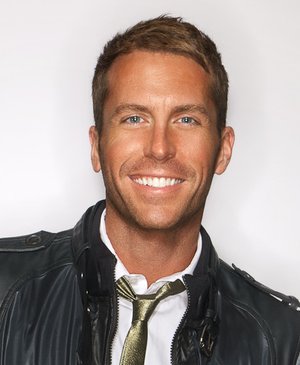
How to Prep Your Skin and Hair for Headshots (Without Panic-Googling at 2AM)
Preparing for headshots does not require a 14-step skincare routine, a spiritual awakening, or emergency bangs the night before.
One of the biggest misconceptions about professional headshots is that you need to completely reinvent yourself beforehand. In reality, the best headshots usually come from looking like a well-rested, slightly more polished version of yourself — not a stranger created by panic-Googling “camera-ready skin” at midnight.
Whether you are preparing for actor headshots, LinkedIn photos, executive portraits, or personal branding images, a little thoughtful prep can make a major difference in how comfortable and confident you feel during the session.
If you are planning a session soon, you may also want to explore my Los Angeles headshot sessions, actor headshots, and LinkedIn headshots.
Start With Hydration and Sleep
It sounds painfully simple, but hydration and sleep genuinely help. Well-rested skin tends to photograph better, and dehydration can exaggerate texture, dryness, and under-eye shadows.
You do not need perfection. You just want to avoid arriving at your session looking like you survived a three-day international layover and emotionally processed taxes in the airport lounge.
Do Not Experiment Right Before the Shoot
The day before your session is not the ideal moment for:
Probably Avoid
- New skincare products
- Strong exfoliation
- Chemical peels
- Spray tans
- Drastic haircuts
- Overly aggressive facials
Better Approach
- Stick with familiar routines
- Use gentle skincare
- Get a trim several days before
- Moisturize normally
- Prioritize rest and hydration
- Keep things natural
A calm, familiar routine usually photographs better than a last-minute transformation experiment.
Hair Prep Tips
Hair should generally look like your best normal version — not overly styled into something unrecognizable.
For actors especially, accuracy matters. Your headshots should still resemble the person walking into auditions or meetings.
If you color your hair, scheduling touch-ups about one week before the session is usually ideal. Haircuts are often safest several days beforehand rather than the night before, giving everything time to settle naturally.
Makeup for Headshots
The best makeup for professional headshots is usually subtle and camera-aware. The goal is not to look heavily made up. The goal is to create evenness, reduce shine, and enhance features naturally under professional lighting.
As both a photographer and makeup artist, I generally recommend makeup that still feels recognizable in person. Overly heavy foundation or aggressive contouring can sometimes photograph more harshly than expected.
Professional makeup for headshots can be especially helpful for:
Helpful For
- Reducing shine
- Evening skin tone
- Under-eye correction
- Long shooting days
- HD photography
The Goal
- Natural-looking skin
- Healthy texture
- Subtle polish
- Camera-friendly finish
- Still looking like yourself
What About Skin Texture?
Professional retouching can refine temporary distractions like blemishes, under-eye darkness, or unevenness while still preserving realism.
You do not need perfectly flawless skin before a headshot session. Human skin has texture. The camera understands this. Society occasionally struggles with it, but the camera itself is surprisingly reasonable.
What to Bring to Your Session
Bring With You
- Hairbrush or comb
- Lip balm
- Oil blotting sheets if needed
- A few wardrobe options
- Basic touch-up makeup
- Water and snacks if desired
Most Important Thing
- Arrive relaxed
- Trust the process
- Do not overthink posing
- Wear clothes that feel comfortable
- Allow time to settle in
Plan the look with the person holding the camera
Before the appointment, send a recent everyday photograph and a short note about how you normally wear your hair and makeup. For actors, add the types of roles you and your representative want the images to support. “Me, ready for work” is a more useful brief than “please reconstruct someone from a perfume advertisement.”
If you booked hair and makeup
Confirm the artist’s arrival instructions before the session. Mention product sensitivities, bring any products you rely on, and discuss the first look before adding styling that takes time to reverse. Check the current hair and makeup options and fees with your session choice.
If you are doing your own
Bring your normal touch-up products and a brush or comb. A quick test frame helps us see how shine, texture and hair placement read under the actual lights. You do not need to guess your way through a bathroom-mirror lighting simulation.
Make changes in a useful order
Start with the hair and makeup you can return to easily, then discuss any stronger styling. A center part, side part, tucked hair or an extra layer can change the frame without changing the person. If facial hair changes are part of the plan, discuss the sequence and booked time first. A razor is very committed to its decisions.
Keep wardrobe changes simple enough to manage without disturbing finished hair and makeup. Choose clothes you can change comfortably, and bring a layer for each intended look. The session preparation guide covers the broader packing and wardrobe plan.
Look at finished work before deciding how polished to go
Browse the Women’s gallery and Men’s gallery for a range of real finished portraits. Ask for the level of polish that fits your work and still resembles you in person. Retouching can address selected distractions; it should not be the plan for inventing a different face.
For casting sessions, connect the styling plan with commercial and theatrical headshot choices. The Actor Resources guide then helps put those photographs to work alongside your other materials.
Frequently Asked Questions
Should I get a facial before headshots?
If facials are already part of your routine, scheduling one about a week beforehand can help. Avoid trying aggressive treatments immediately before your session.
Should I wear makeup for professional headshots?
Most clients benefit from light, natural-looking makeup or shine control, even for very subtle professional headshots.
When should I cut my hair before headshots?
Usually several days to a week beforehand is ideal so the haircut looks natural and settled.
Can retouching fix skin issues?
Professional retouching can refine temporary distractions while maintaining realistic skin texture and authenticity.
Ready for a stress-free headshot session?
Book a professional Los Angeles headshot session designed to feel relaxed, flattering, and natural — with expert lighting, posing guidance, and optional makeup support.
View Pricing · Schedule a Session · Explore Headshots Los Angeles